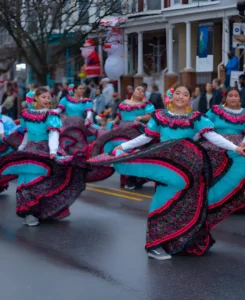
Hispanic and Latino culture is one of the richest and most diverse cultural traditions in the world. Rooted in centuries of history, shaped by indigenous heritage, European influence, and a deep sense of community, these beliefs and norms continue to influence millions of lives across the globe and right here in our own neighborhoods.
Celebrating a Rich Cultural Heritage
Hispanic and Latino culture encompasses a vast and vibrant tapestry of traditions, languages, art, music, and food. Spanning more than 20 countries and dozens of regional identities, this culture is not a monolith but a living, breathing collection of shared values and unique expressions that have evolved over generations.
From the colorful celebrations of Día de los Muertos to the rhythmic joy of salsa and cumbia, cultural traditions serve as powerful reminders of where communities come from and what they hold dear. These traditions are passed down through families, strengthened by community gatherings, and celebrated with pride year after year.
Cultural heritage is more than history — it is an active, daily practice. It lives in the stories grandparents share, the recipes prepared for Sunday dinners, and the music that fills neighborhood streets during festivals and family reunions.
Respeto: A Cornerstone of Cultural Values
Respeto, or respect, is one of the most deeply held values in Hispanic and Latino culture. It shapes how individuals interact with elders, authority figures, and one another in everyday life. Showing respect is not simply a social courtesy — it is a core expression of character and integrity.
This value influences communication styles, family dynamics, and community relationships. Children are taught from an early age to honor their elders, listen carefully, and speak with humility. These lessons carry into adulthood, shaping how individuals engage with their neighbors, colleagues, and broader communities.
Alongside respeto, values such as confianza (trust), dignidad (dignity), and simpatía (warmth and kindness) form an interconnected framework of social norms that prioritize human connection, compassion, and mutual understanding.
“Culture is the thread that connects generations, reminding us of who we are and guiding us toward who we can become.”
Faith, Spirituality, and Community
For many Hispanic and Latino families, faith plays a central role in daily life and cultural identity. Religious traditions — most commonly rooted in Catholicism but also encompassing a growing diversity of Christian denominations and indigenous spiritual practices — provide comfort, guidance, and a sense of shared purpose.
Spiritual beliefs are often woven into cultural celebrations, family milestones, and community rituals. Events such as quinceañeras, baptisms, and patron saint festivals blend religious devotion with cultural expression, bringing entire communities together in celebration and reverence.
Faith communities also serve as important gathering spaces where neighbors support one another, share resources, and maintain the cultural and spiritual practices that connect them to their heritage.
The Beauty of Cultural Traditions and Celebrations
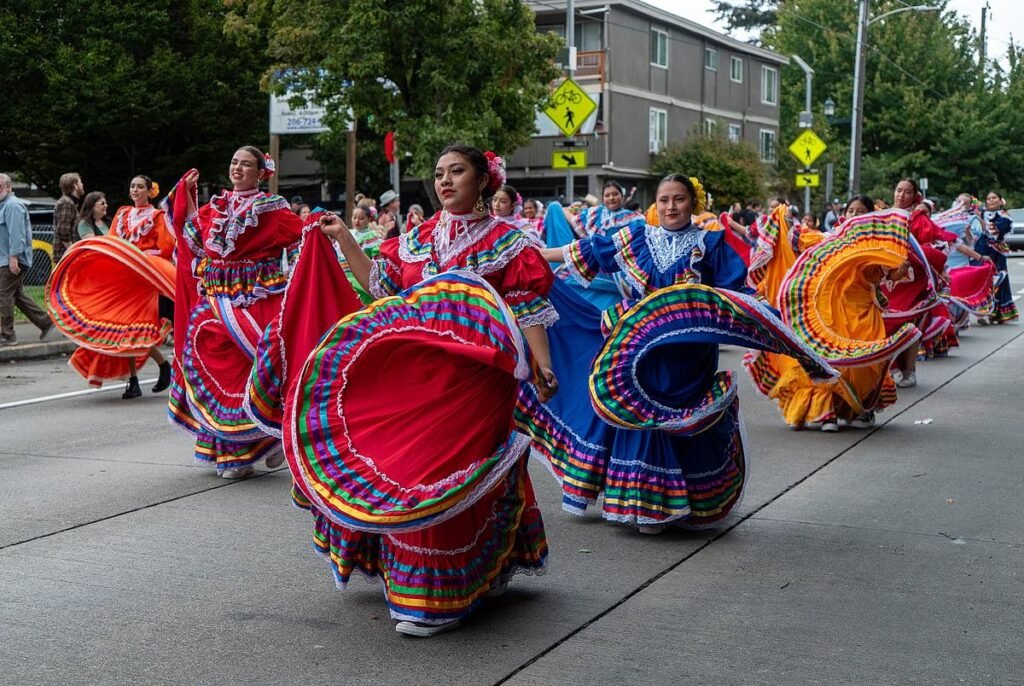
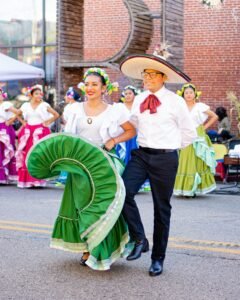
Cultural celebrations are among the most visible and joyful expressions of Hispanic and Latino identity. Holidays such as Cinco de Mayo, Día de los Muertos, Las Posadas, and Independence Day celebrations across Latin American countries are marked with food, music, dance, and deep cultural meaning.
These celebrations do more than entertain — they educate, unite, and preserve. They offer younger generations the opportunity to connect with their roots while inviting neighbors of all backgrounds to share in the richness of Latino traditions. They also serve as powerful reminders that diversity is a source of strength and community vitality.
Food, in particular, holds a special place in cultural expression. Traditional dishes prepared with care and passed down through generations are acts of love, memory, and cultural preservation that nourish both body and spirit.
Language as a Bridge Between Generations
The Spanish language is a vital thread that runs through Hispanic and Latino communities, connecting generations and preserving cultural identity. For many families, speaking Spanish at home is an intentional act of cultural preservation — a way of ensuring that children remain connected to their heritage even as they navigate life in a new environment.
Bilingualism is increasingly recognized as a valuable asset, opening doors professionally and academically while deepening cultural understanding. Many community members code-switch naturally between English and Spanish, reflecting the fluid, bicultural identity that defines the Latino experience in the United States.
Language is more than communication — it carries history, humor, emotion, and nuance that cannot always be translated. Preserving it across generations is one of the most meaningful ways communities maintain their cultural identity and pass it forward.
Resilience, Hard Work, and the American Dream
Hispanic and Latino communities have a long and proud tradition of resilience. Driven by the desire to create better lives for their families, many have overcome significant hardships — immigration challenges, economic barriers, and cultural transitions — while maintaining their values, their pride, and their sense of community.
This spirit of perseverance is deeply embedded in the cultural ethos. Hard work, sacrifice, and determination are values celebrated within families and communities alike, passed from one generation to the next as both a legacy and an aspiration.
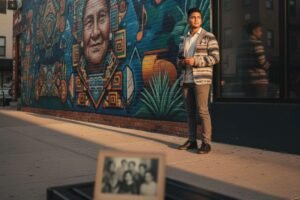
The stories of Hispanic and Latino individuals who have built businesses, raised families, served their communities, and contributed to the cultural fabric of this country are stories of courage, dedication, and enduring hope.
Honoring Culture, Building Community
Understanding and celebrating Hispanic and Latino culture is essential to building stronger, more inclusive communities. When cultural beliefs, traditions, and values are honored, individuals feel seen, respected, and empowered to contribute fully to the communities they call home.
Cultural awareness fosters empathy, deepens relationships, and creates environments where diversity is not just tolerated but genuinely celebrated. By embracing the richness of Hispanic and Latino heritage, communities grow stronger, more connected, and more vibrant for everyone who lives within them.
The beliefs, values, and traditions at the heart of Hispanic and Latino culture are not relics of the past — they are living contributions to the present and a guiding force for the future. Honoring them is how we build communities rooted in dignity, belonging, and shared purpose.